Start with a pattern.
Pick the one that catches your eye. Shape and color are yours to change.
 NEW
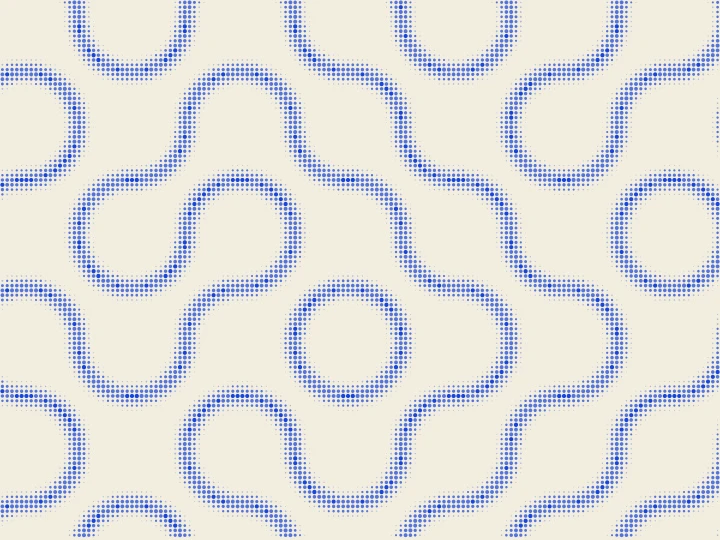
NEWTruchet
01Quarter-circle tiles join into loops and meanders. Small changes in orientation create a larger flow.
Make it yours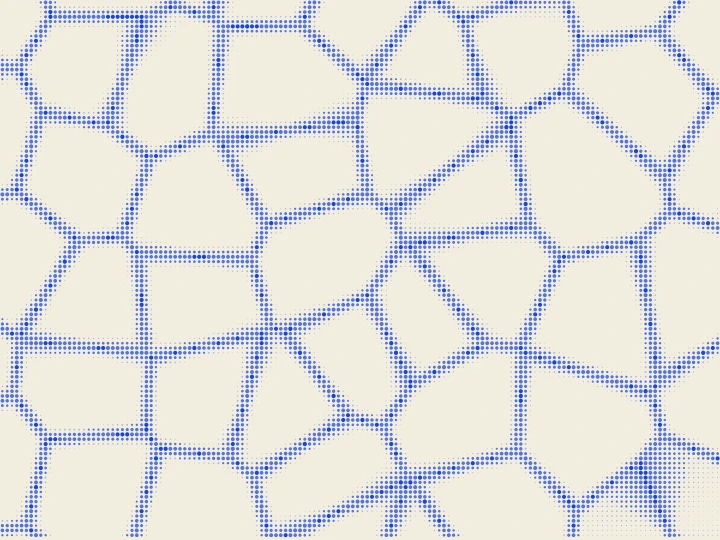 NEW
NEWVoronoi
02Scattered points divide the plane into cells. Adjust their spacing and irregularity to move from an ordered mesh to an organic texture.
Make it yours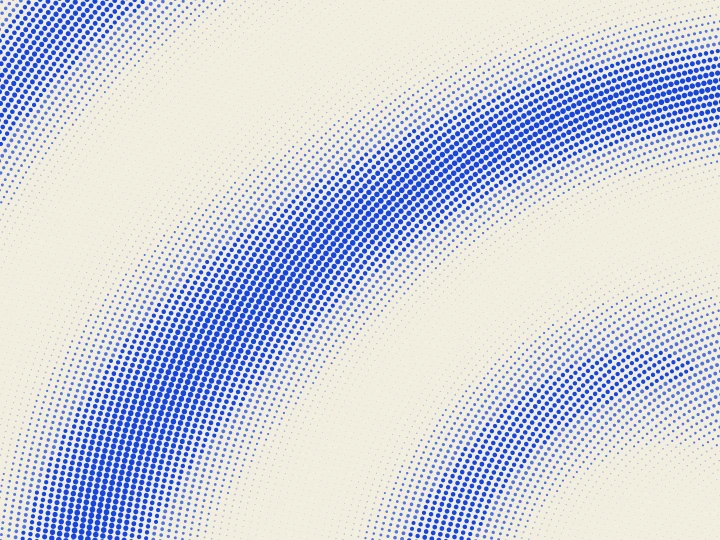
Polar lattice
03Dots on concentric circles become sweeping waves. Change the spacing and twist to move from gentle swells to a fine weave.
Make it yours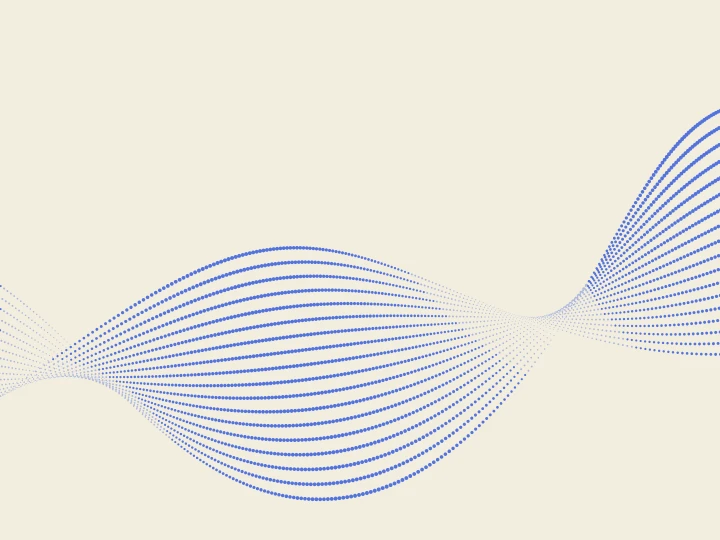
Ribbon
04Twist a ribbon made of dots. Where the rows overlap, they grow darker and give the flat image a sense of depth.
Make it yours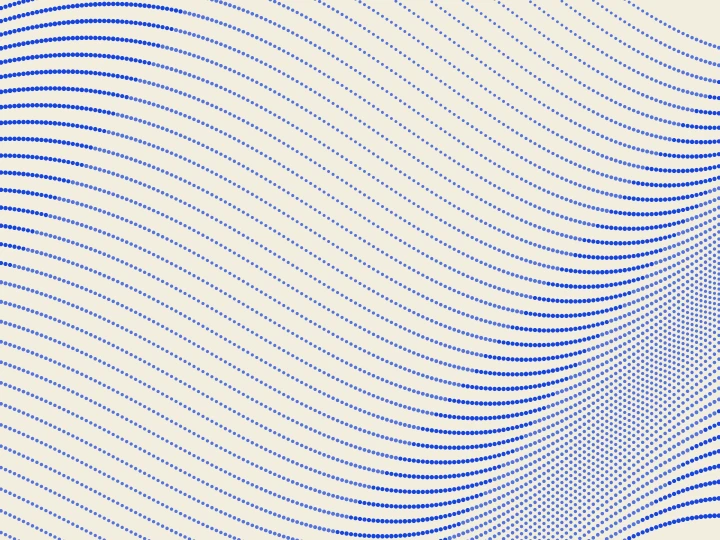
Cloth
05Rows of dots bend like a rippling sheet of cloth. Light and surface tilt give the pattern its soft shading.
Make it yours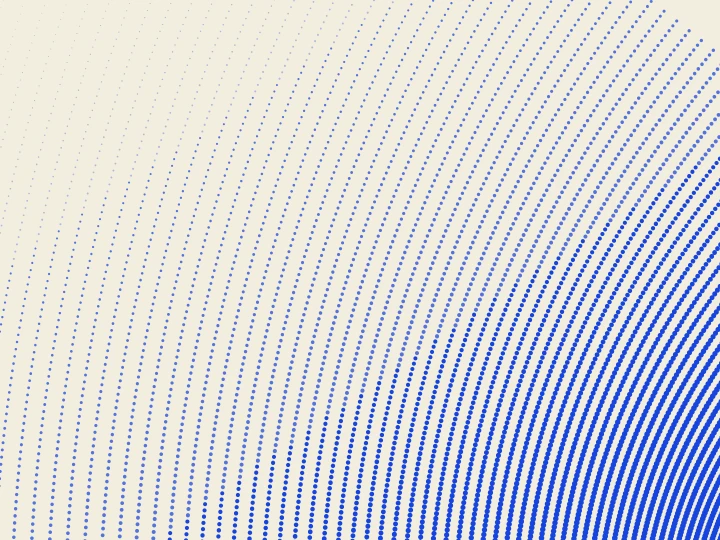
Conformal map
06Turn a regular grid into a net of curves. The lines bend while keeping their crossing angles.
Make it yours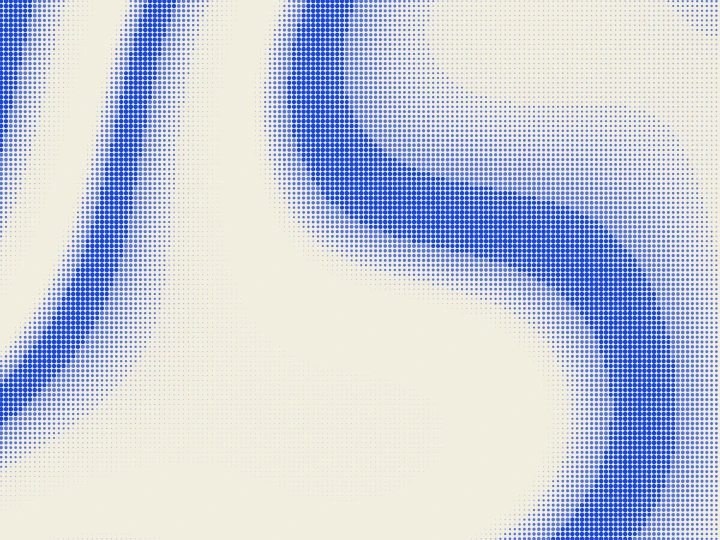
Contours
07Soft bands that suggest water or terrain. Layer a few waves to draw tones like contour lines.
Make it yours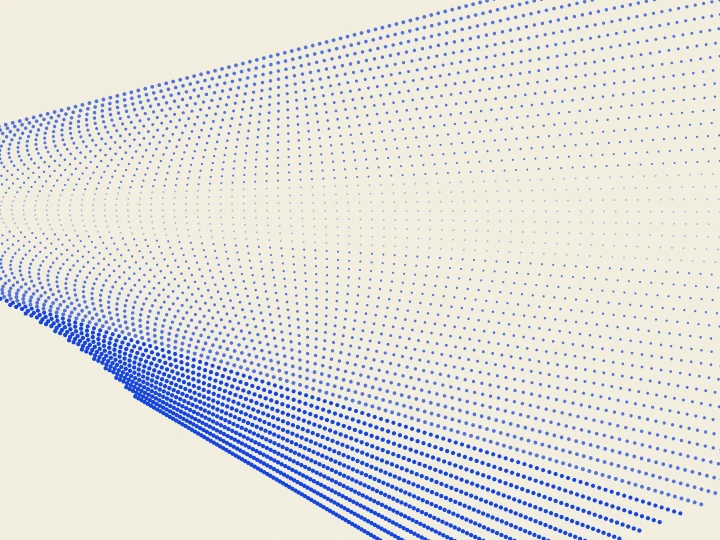
Twisted lattice
08Rotate and stretch rows of orderly dots. A regular grid begins to move like the sag of a fabric.
Make it yours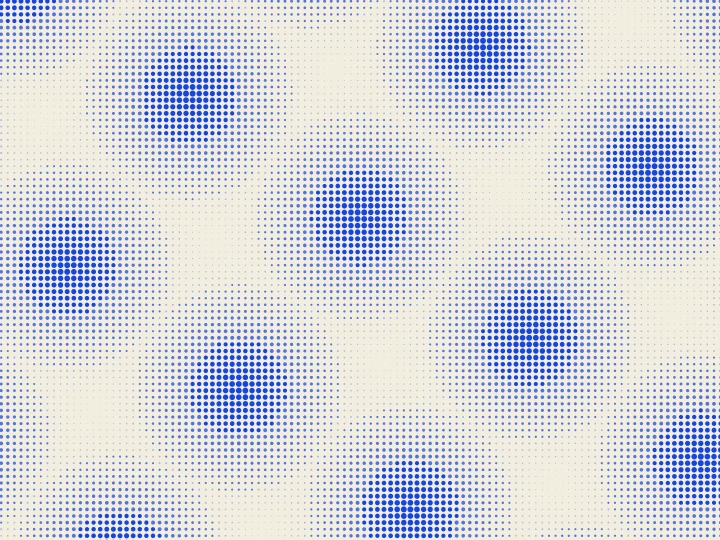
Moiré
09A tiny offset becomes a large rhythm. Adjust the spacing and angle of two grids to explore their interference.
Make it yours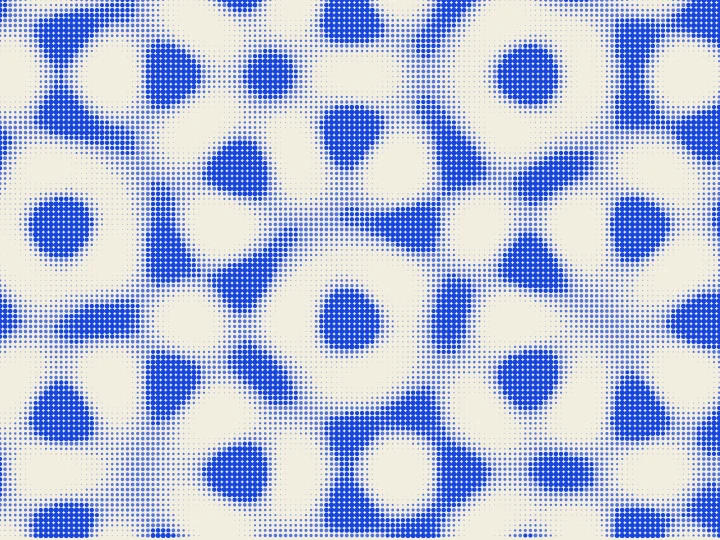
Quasicrystal
10Ordered, but never quite repeating. Waves from five or seven directions meet in a pattern that resembles a crystal.
Make it yours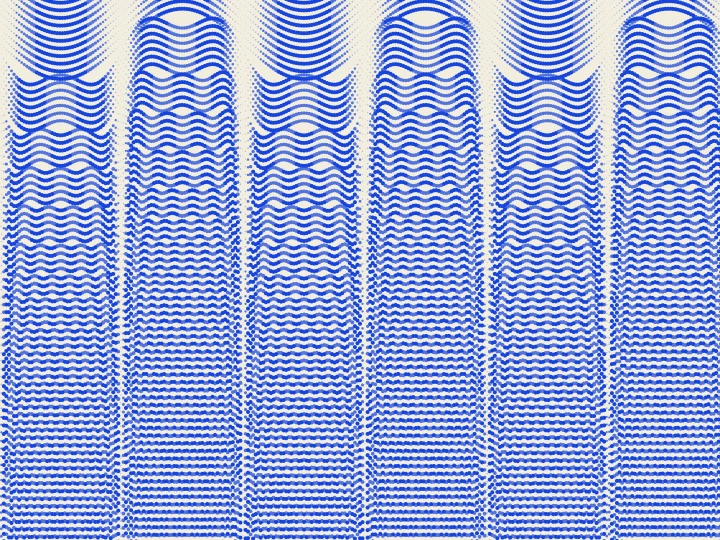
Gibbs phenomenon
11Add smooth waves together and a small ripple remains near each sharp edge. Rows of dots make that persistent ringing visible.
Make it yours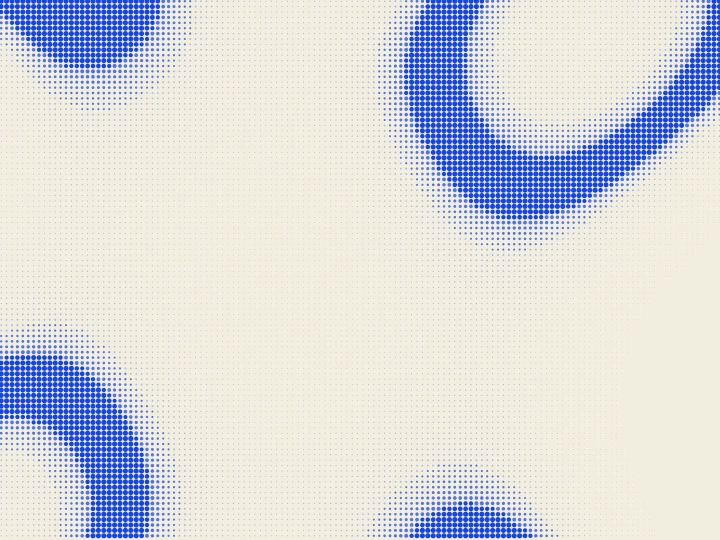
Caustics
12Arcs of tone suggest light on the bottom of a pool. A distorted field forms bands that resemble gathered light.
Make it yours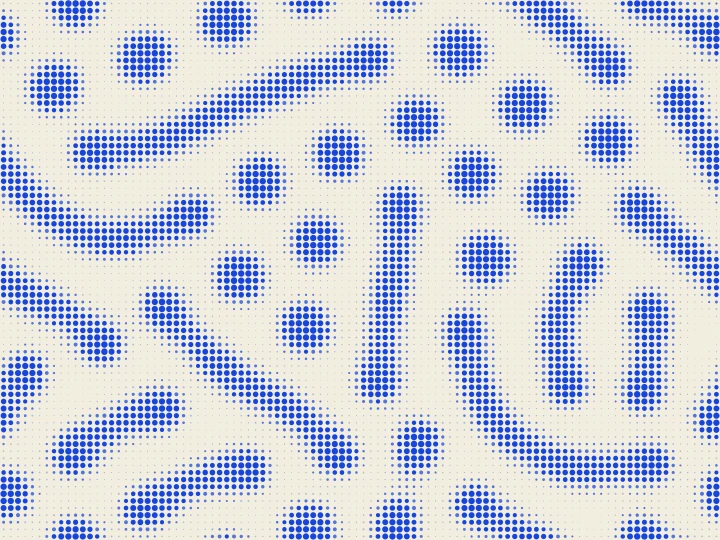
Reaction–diffusion
13Spots grow, connect and become a maze. Two reacting and diffusing components create organic patterns. This one takes a little longer to compute.
Make it yours